056 the most interesting things happen at the edge
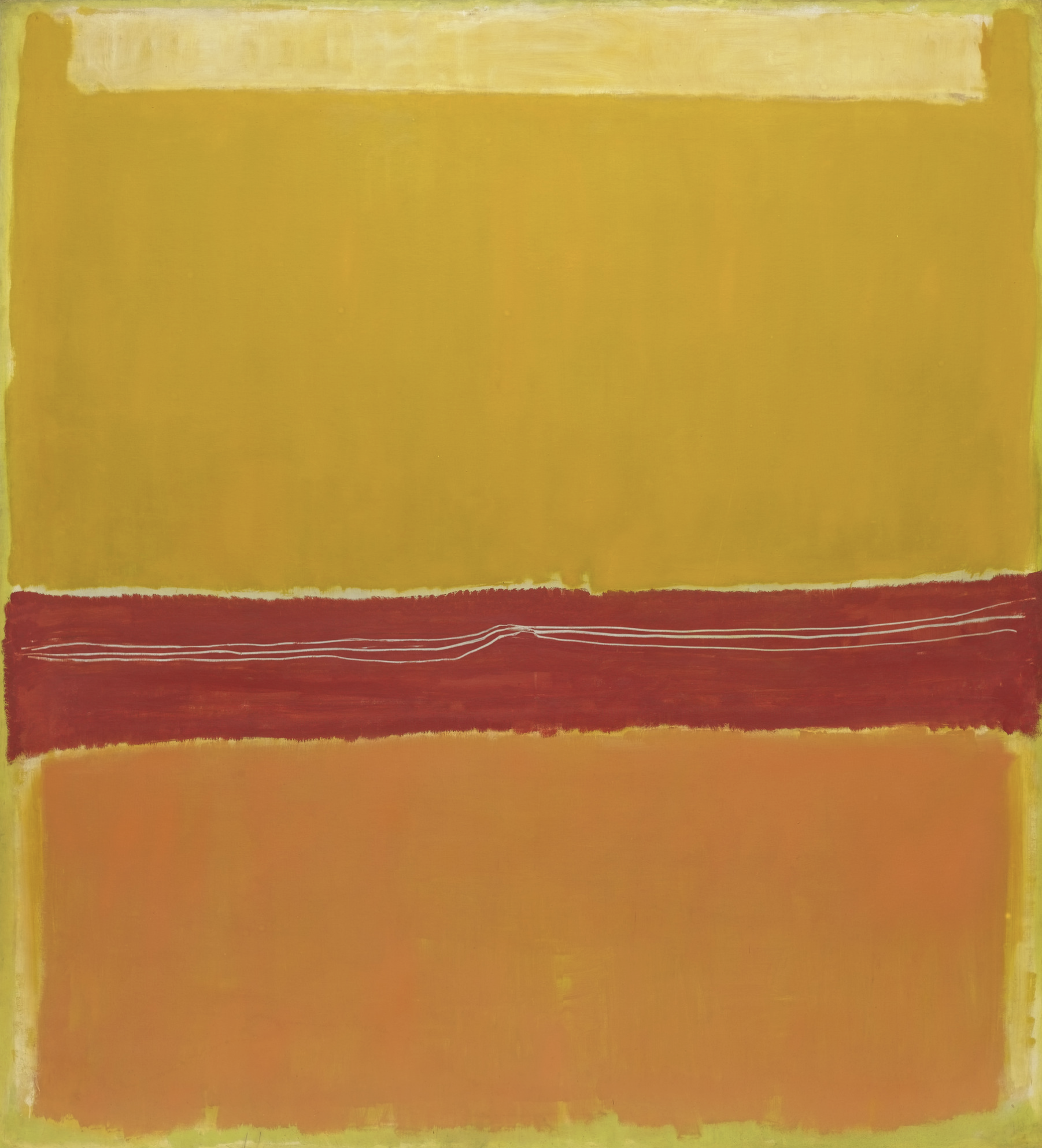
Mark Rothko. No. 5/No. 22. 1950 (dated on reverse 1949)
This is a little different from the typical posts on here, but I learned about something called the “edge effect” recently and couldn’t stop thinking about how well it applies to people.
We often think expertise means going deeper and deeper into one subject, narrowing our focus, and becoming known for one specific thing. There’s obviously value in specialization, but some of the most interesting ideas come from the places where different fields, interests, and experiences meet.
The concept comes from ecology and describes what happens when two ecosystems overlap. Think of where a forest meets a meadow or where land meets the ocean. These areas can be incredibly diverse because they contain elements of both environments. There’s something fascinating about what happens in these in-between spaces.
I think there’s something similar in the way we develop as people.
Some of our most valuable perspectives don’t come from mastering one discipline. They come from bringing different interests and experiences into conversation with each other. A therapist who reads literature may understand a client’s story differently. Someone who studies medicine and culture may think differently about what it means to heal. An artist interested in psychology may notice emotional patterns that someone else might overlook.
They haven’t abandoned their expertise. They’ve simply allowed other interests to influence the way they think.
The same is true when we look at the world through different lenses. Psychology helps us understand the individual. Sociology helps us understand the systems around us. Philosophy asks questions about meaning and existence. Art gives shape to experiences that can be difficult to explain or measure. Each one offers something the others might miss.
And I think this applies to our personal lives, too.
We often divide our lives into separate chapters, as though the things we studied, the jobs we had, the places we lived, and the experiences we went through are supposed to fit neatly into one story. But so much of what shapes us comes from things that seemed unrelated at the time. The career that didn’t work out, a season of grief, the culture you grew up in, the books you read, a place you lived, or a friendship that changed you all become part of how you see the world.
Maybe that’s why the pressure to find one niche can feel so limiting. We sometimes think we need to choose one thing and become an expert in it before we have anything meaningful to contribute. But some of the most interesting people are difficult to put into a single category. Their perspective comes from being curious about more than one thing and allowing those interests to shape each other.
Maybe your greatest strength isn’t hiding in one area of expertise. Maybe it’s in the combination of everything you’ve experienced, studied, questioned, and loved. We don’t always have to narrow ourselves down to become more valuable. Sometimes, the things that seem unrelated are exactly what make our perspective our own.
Maybe that’s what the edge effect can teach us. We don’t always need to grow by going deeper into one thing. Sometimes, we grow by staying curious about what happens when different parts of our lives come together.