053 becoming the adult you never got to be
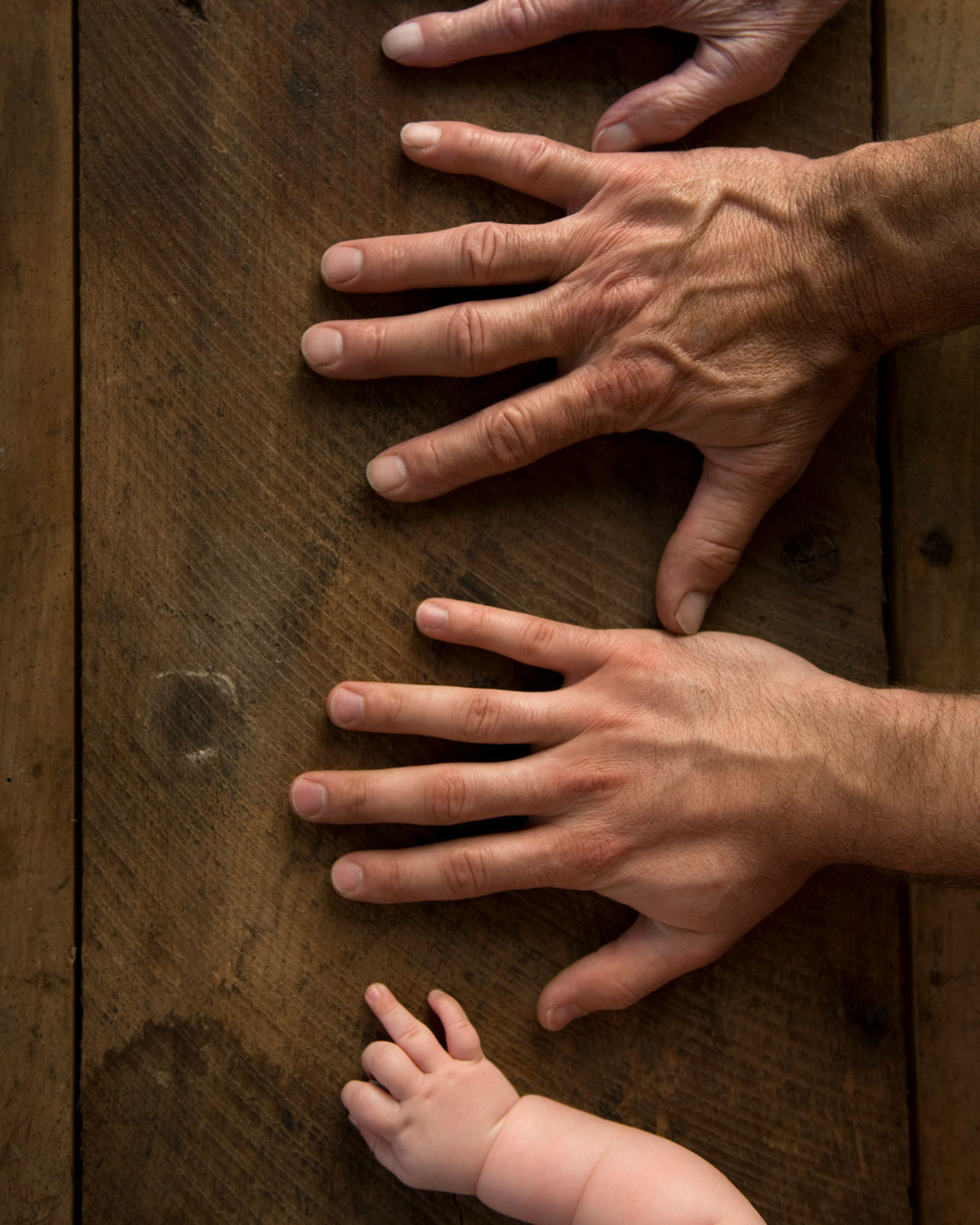
One of the quietest forms of grief is mourning the person you never had the chance to become. Many of us enter adulthood carrying invisible losses, not only the experiences we endured, but the things we needed and never received. Maybe no one taught you that your emotions mattered. Perhaps you learned to stay small to keep the peace, became independent before you were ready, or believed love had to be earned by taking care of everyone else first. These experiences don’t simply become memories. They become the lens through which we understand ourselves and the world around us.
Children are extremely adaptive. They shape themselves around their environment because, at the time, it helps them cope and feel safe. If home was unpredictable, a child may have learned to stay hyperaware of what was happening around them. If affection felt conditional, achievement or perfection may have become the way they measured their worth. If conflict didn’t feel safe, perhaps they learned to stay quiet, agreeable, or emotionally distant. These responses are not flaws. They are adaptations that made sense at the time. The challenge is that what once helped us adapt often follows us into adulthood, long after we need those strategies in the same way. Over time, survival begins to feel like personality.
This is why so many adults quietly wonder, “Why don’t I know who I am?” The truth is that many of us never had the chance to discover ourselves because we were too busy becoming who we needed to be. We learned responsibility before play, self-sacrifice before self-expression, and vigilance before rest. Somewhere along the way, parts of ourselves became buried beneath the roles that once helped us feel safe.
Healing begins when we ask a different question. Instead of wondering, “What’s wrong with me?” we begin asking, “Who might I have become if I had always felt safe?” This question isn’t meant to keep us stuck in the past. It’s an invitation to recognize that our identity is not fixed and that we are capable of becoming more than the patterns we inherited.
Perhaps one of the greatest gifts of adulthood is that we can become the person we once needed. We can learn to speak to ourselves with kindness instead of criticism, build relationships that feel emotionally safe, set boundaries without guilt, and rest without believing we have to earn it. In many ways, healing can involve reparenting ourselves. Not by rewriting the past, but by offering ourselves the compassion, safety, and stability we may not have received.
There is grief in this process, too. Becoming the adult you never got to be often means grieving the child who never got to simply be a child. It means mourning the years spent surviving instead of exploring, pleasing instead of expressing, and protecting yourself instead of discovering yourself. But grief can create space for compassion. We cannot fully care for the parts of ourselves we refuse to acknowledge.
You cannot rewrite your childhood, but you can write a different adulthood. Maybe that is one of healing’s greatest acts of hope: not becoming someone else, but finally giving yourself the freedom to discover who you are beyond the patterns that once kept you safe.