051 relationships are mirrors
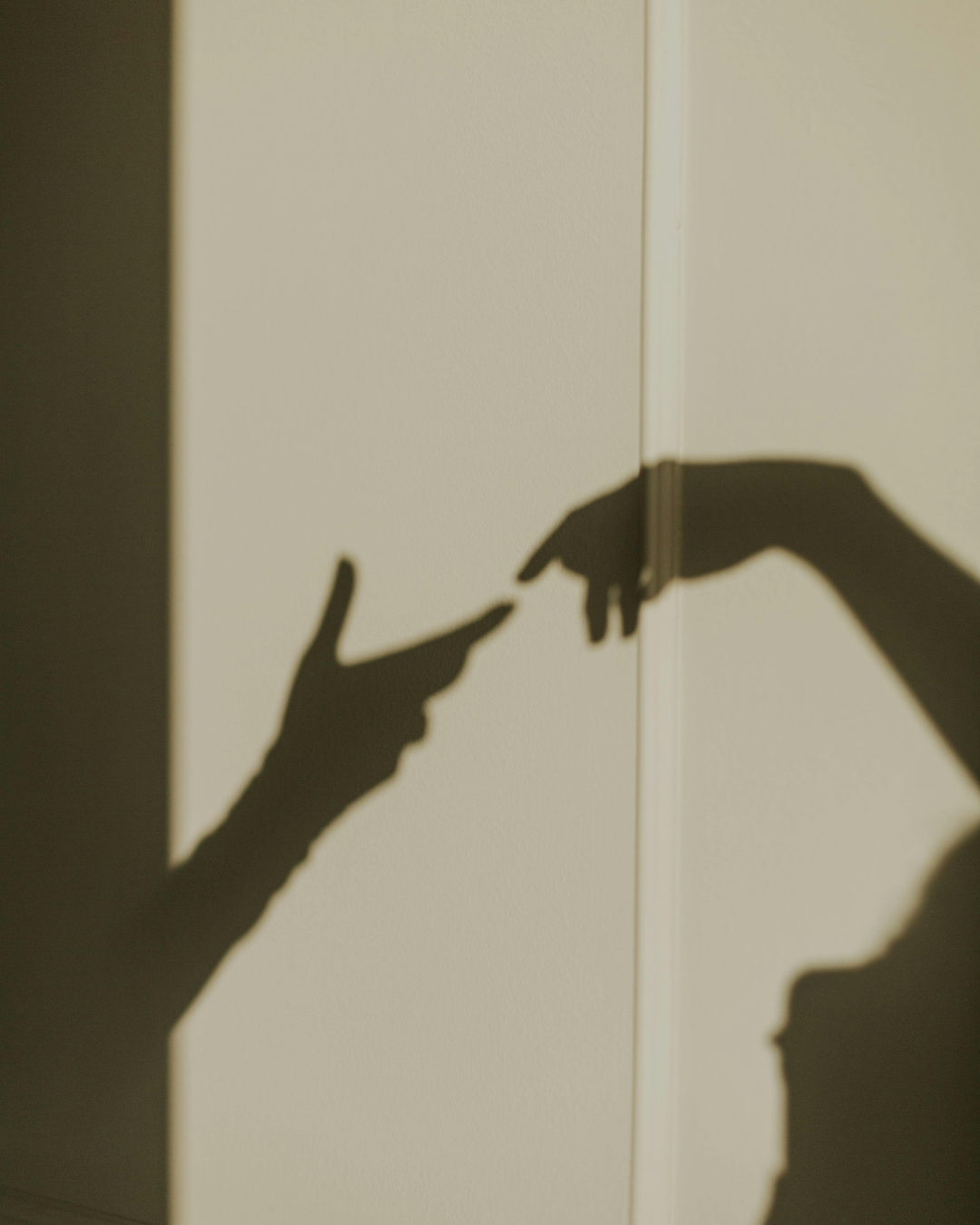
It’s funny how we tend to think about our relationships with other people as separate chapters of our lives. We think about who we met, who we loved, who hurt us, and who we eventually left behind. We tend to see ourselves as the main characters, with other people becoming supporting characters in our own stories. But if we look a little closer, our relationships actually tell us a lot about ourselves. They show us how we connect, how we communicate, what we fear, what we need, and how we respond when we feel vulnerable. We don’t just learn about other people through intimacy. We also discover parts of ourselves that are much harder to see when we’re alone.
Sometimes, the people who trigger us bring our own unfinished work to the surface. It’s easy to focus entirely on a partner’s emotional distance, a friend’s need for reassurance, or someone’s tendency to avoid conflict and decide that their behavior is simply the problem. Sometimes it is. Other times, the interaction is touching something deeper in us.
Maybe someone’s independence brings up something we don’t give ourselves permission to have.
Maybe a partner’s uncertainty activates an old fear of abandonment.
Maybe someone’s confidence makes us aware of how often we second-guess ourselves.
This doesn’t mean that everything other people do is somehow a reflection of us. Sometimes people genuinely hurt us. Sometimes someone is emotionally unavailable, inconsistent, or simply not a good fit for us. Our reactions can contain information about ourselves, but their behavior contains information about them, too. Part of emotional growth is learning how to tell the difference.
Something is humbling about the way relationships can bring parts of us to the surface that we thought we had already worked through. You can spend years feeling relatively calm, independent, and emotionally grounded, and then fall in love or go home for the holidays and suddenly find yourself reacting in ways you barely recognize. It’s one thing to understand your patterns when you’re alone. It’s another thing to stay connected to yourself when someone you care about disappoints you, misunderstands you, or pushes one of your buttons.
Relationships can show us where our emotional limits are, where our patience runs thin, where we struggle to communicate, and where our need for control shows up. They can also show us our capacity for forgiveness, tenderness, honesty, and connection. Sometimes the most meaningful growth happens when we pay attention to what a relationship is bringing out of us instead of immediately trying to make the feeling go away.
We don’t have to view every conflict as a problem to solve or assume that every difficult relationship is meant to teach us some profound lesson. But we can become more curious about what our relationships are showing us. The next time someone pushes your buttons, breaks your heart, or surprises you with their kindness, pause before immediately judging yourself, blaming them, or walking away.
Ask yourself: What is this interaction showing me about myself? And what is it showing me about this relationship?
Sometimes the answer will be something you need to work through within yourself. Sometimes it will be a boundary you need to set. Sometimes it will simply be that two people want different things. And sometimes, it will be all of these things at once.
Our relationships aren’t just stories about the people who come and go from our lives. They are also places where we learn who we are, what we need, what we value, and how we want to show up in the world. We may not always see ourselves clearly, but the people we love have a way of showing us pieces of ourselves we might otherwise miss.